Water Damage Categories 1, 2, and 3 Explained
Not all water damage is the same. The IICRC (Institute of Inspection, Cleaning and Restoration Certification) classifies water damage into three categories based on the level of contamination. The category determines how the cleanup is performed, what materials can be saved, what safety measures are needed, and how your insurance claim is documented. Here is what each category means in plain language.
Category 1: Clean Water
Category 1 water comes from a sanitary source and poses no substantial health risk when contacted.
Common sources:
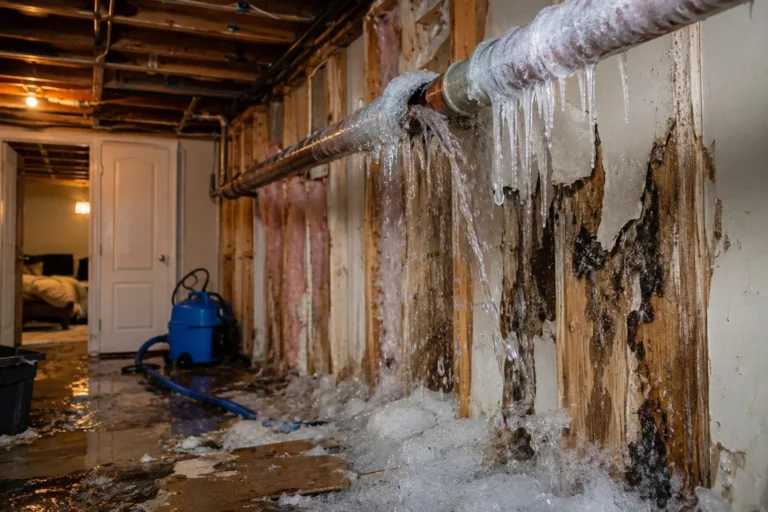
- Broken water supply lines
- Faucet or sink overflow (with no contaminants in the basin)
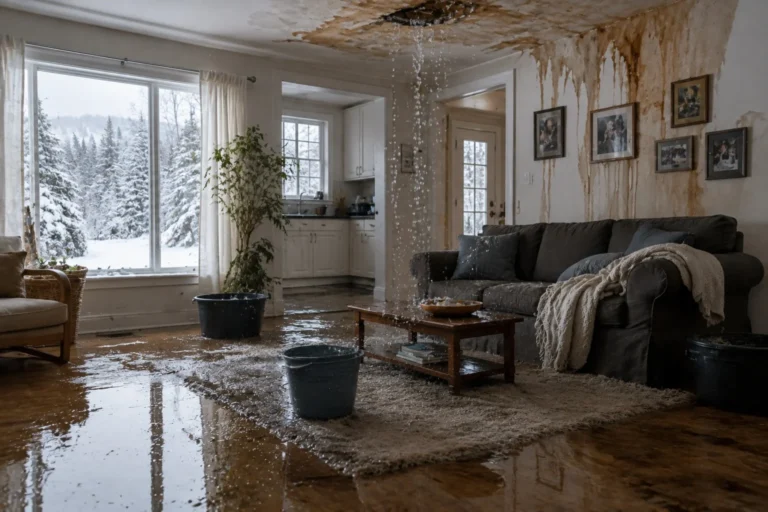
- Falling rainwater entering through a clean opening
- Melting ice or snow
- Broken toilet tank (the tank, not the bowl)
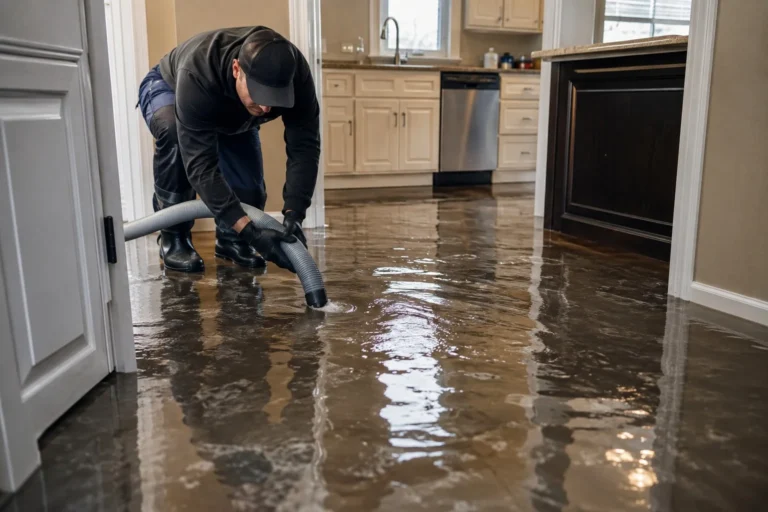
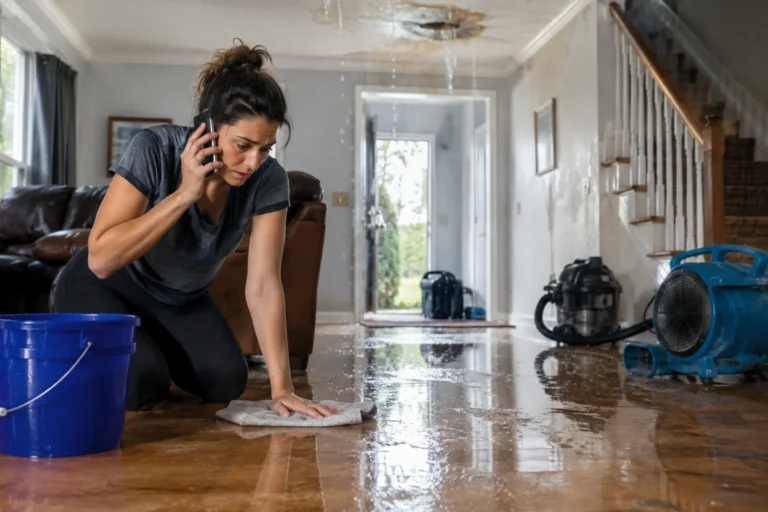
What cleanup looks like: Category 1 is the most straightforward cleanup. Materials that contacted clean water can often be dried and salvaged if we reach them quickly. Carpet can sometimes be saved (padding usually cannot). Drywall that is flood-cut and dried promptly can be replaced without extensive sanitization.
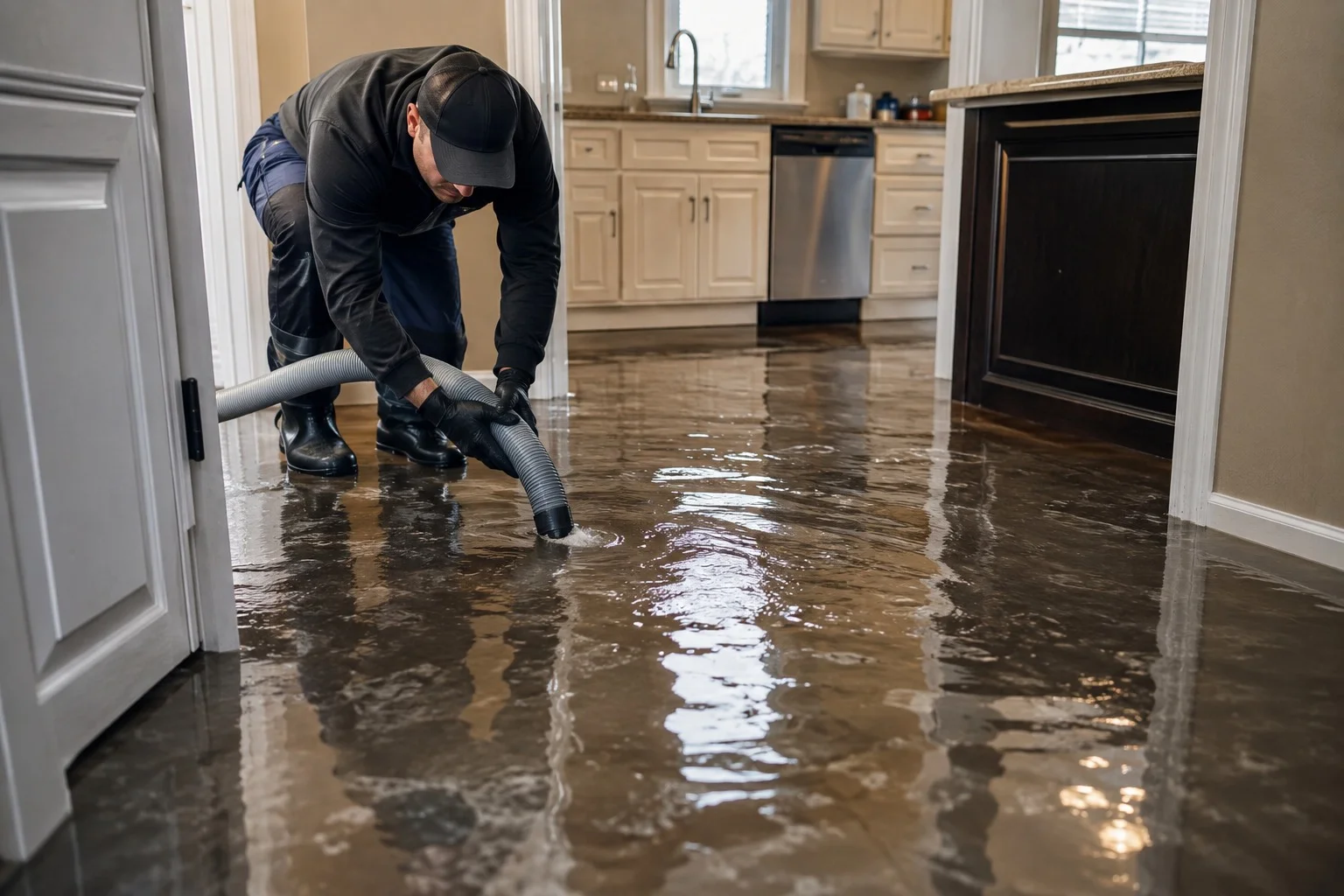
Standard extraction, structural drying with commercial equipment, and antimicrobial treatment to prevent mold growth.
Important: Category 1 water does not stay Category 1 indefinitely. If clean water sits on building materials for more than 48 hours, it can deteriorate to Category 2 as bacteria multiply in the stagnant water. This is why fast response matters even for clean water events.
Category 2: Gray Water
Category 2 water contains significant contamination that could cause discomfort or illness if contacted or consumed.
Common sources:
- Washing machine overflow or discharge
- Dishwasher overflow
- Toilet overflow with urine (no feces)
- Sump pump discharge
- Aquarium water
- Water from a clean source that has been sitting for more than 48 hours
What cleanup looks like: Category 2 requires more caution than Category 1. Crews wear appropriate PPE. Porous materials that absorbed gray water are evaluated more carefully. Carpet padding is always removed. Drywall flood cuts are set higher (typically 18 to 24 inches above the water line) to account for contamination wicking up the material.
All affected surfaces are treated with antimicrobial agents. Structural drying follows the same equipment and monitoring protocols, but with additional attention to sanitization.
Category progression: Like Category 1, gray water deteriorates over time. Category 2 water that sits for extended periods can become Category 3, especially in warm environments where bacterial growth accelerates.
Category 3: Black Water
Category 3 water is grossly contaminated and contains pathogenic agents. Contact or inhalation can cause serious illness or death.
Common sources:
- Sewage backup from sewer lines or septic systems
- River and stream flooding (Penobscot River overflow, tributary flooding)
- Groundwater entering through foundations during spring thaw
- Standing water from any source that has been present for an extended period (typically 72+ hours)
- Wind-driven rain from hurricanes or severe storms that contacted ground before entering the structure
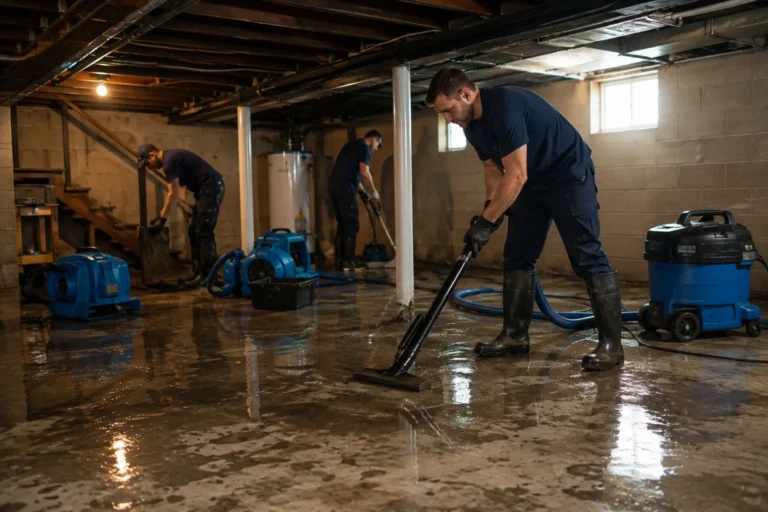
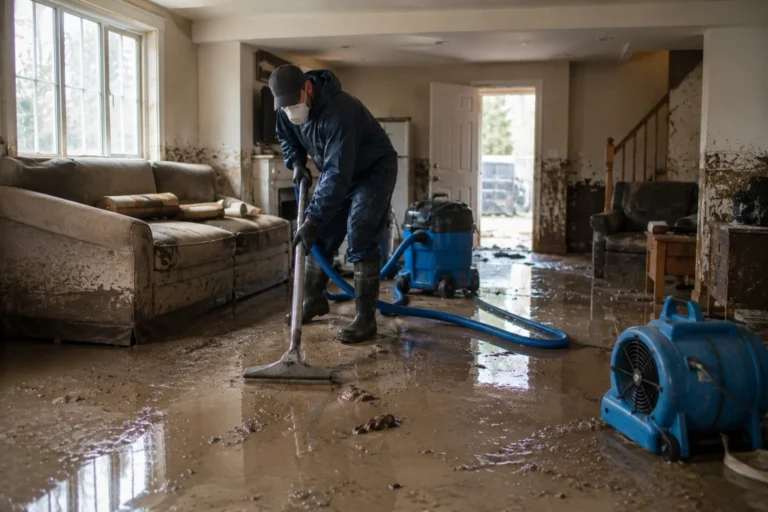
What cleanup looks like: Category 3 is the most extensive and expensive cleanup protocol. Full PPE for all workers (Tyvek suits, respiratory protection, waterproof boots, chemical-resistant gloves). All porous materials that contacted the water are removed: carpet, padding, drywall (flood cut at 24 inches minimum above the water line), insulation, particleboard, and paper products.
Non-porous surfaces (concrete, metal, sealed wood) are cleaned and sanitized with EPA-registered antimicrobial agents. Multiple rounds of treatment may be needed.
HEPA air scrubbers run throughout the cleanup to filter airborne bacteria and particulates. Negative air pressure containment prevents contaminants from spreading to unaffected areas.
After sanitization and drying, post-cleanup verification may include third-party testing to confirm contamination levels have returned to safe levels.
Why the Category Matters
For Your Health
Category 1 water is generally safe to contact. Category 2 requires caution. Category 3 is a health hazard that requires professional cleanup with proper protective equipment. Do not attempt to clean Category 3 water yourself.
For Material Salvage
Higher categories mean less can be saved. A hardwood floor exposed to Category 1 clean water can often be dried and refinished. The same floor exposed to Category 3 sewage may need to be removed entirely.
For Cost
Category 3 cleanups cost more than Category 1 because they require more material removal, more protective measures, more sanitization steps, and more verification. A single-room Category 1 event might cost $1,500 to $3,000. The same room with Category 3 contamination could cost $4,000 to $8,000.
For Insurance Documentation
We document the water category as part of every job. Adjusters use this classification to evaluate the scope and cost of the claim. Properly categorizing the water upfront ensures your claim is documented correctly from the start.
How We Determine the Category
When we arrive at your home, we assess the water source to determine the category:
- Can we identify the source? A visibly broken supply line is clearly Category 1. Water coming up through a floor drain during a rainstorm is likely Category 3.
- How long has the water been present? Clean water that has been sitting for more than 48 hours may have deteriorated to Category 2 or 3.
- What has the water contacted? Clean water that flowed across a bathroom floor and contacted a toilet base may be reclassified.
- What does the water look like and smell like? Color, odor, and visible particulates all factor into the determination.
We document the category determination as part of our initial assessment. This documentation goes into your insurance file.
Not sure what kind of water damage you have? Call (207) 857-7378. We will assess the situation and tell you exactly what you are dealing with.
Frequently Asked Questions
Can clean water become contaminated over time?
Yes. Category 1 water that sits for more than 48 hours can deteriorate to Category 2 as bacteria multiply. Category 2 water that sits longer can become Category 3. This is why fast response is critical regardless of the initial water source.
Is all floodwater Category 3?
River flooding, groundwater, and any water that has contacted soil or sewage is classified as Category 3. Not all standing water in your home is floodwater. A burst supply line that floods your kitchen is Category 1 until the water sits long enough to deteriorate.
Do I need to leave my home for Category 3 water damage?
If the contamination is extensive, especially if it has reached HVAC systems or multiple living areas, temporary relocation may be recommended. For contained Category 3 events (single room, basement only), you may be able to stay in unaffected areas while cleanup proceeds.