Spring Thaw Basement Flooding in Penobscot County
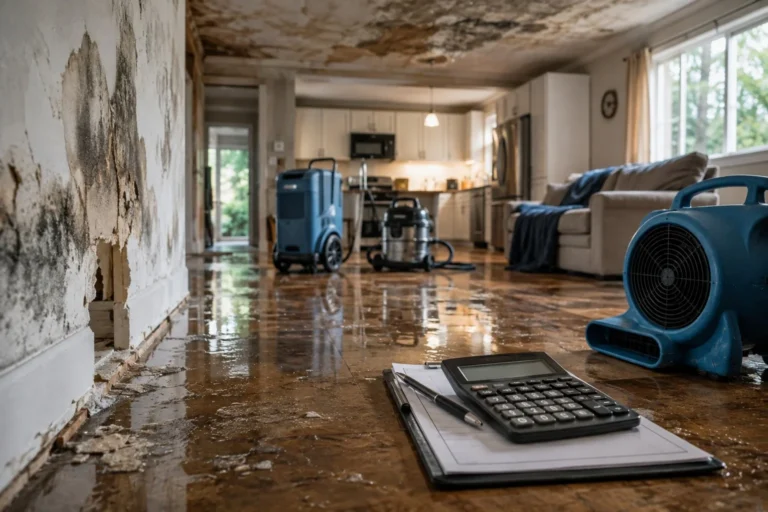
Every spring, Penobscot County homeowners face the same challenge: 74 inches of accumulated snow melting into ground that is still partially frozen. The water has nowhere to go but into your basement. This guide covers why spring thaw flooding happens in Greenbush and the surrounding area, how to prepare, and what to do when water starts coming in. Call (207) 857-7378 if your basement is flooding now.
Why Spring Thaw Causes Basement Flooding
The mechanics are straightforward but relentless.
Snow begins melting across Penobscot County in late March and continues through April and into May. That meltwater soaks into the ground. But the ground below the frost line is still frozen solid, creating an impermeable layer that prevents water from draining deeper.
The result is a rising water table that pushes against your foundation from all sides. Hydrostatic pressure forces water through:
- Cracks in poured concrete or block foundations
- Deteriorated mortar joints in fieldstone foundations
- The joint between the floor slab and the foundation wall (the cove joint)
- Floor drain backups when the sewer system is overwhelmed
- Window wells that fill with surface water
Older Greenbush homes with fieldstone foundations are especially vulnerable. These foundations were built to hold the house up, not to keep water out. The mortar between stones deteriorates over decades, creating pathways for water.
How to Prepare Before Spring Thaw
Test Your Sump Pump
Your sump pump is your first line of defense. Test it before thaw season:
- Pour a bucket of water into the sump pit
- The float switch should activate and the pump should turn on
- Verify that water is pumped out and the pump shuts off
- Listen for unusual sounds (grinding, rattling) that indicate worn bearings or a failing motor
If the pump does not activate, replace it before spring. A new residential sump pump costs $150 to $400 installed. A flooded basement costs $2,000 to $15,000 to restore.
Install a Battery Backup
Spring storms often cause power outages in rural Penobscot County. When the power goes out, your sump pump stops running at the exact moment you need it most.
A battery backup sump pump system costs $200 to $500 and runs for 5 to 8 hours on battery power. For homes with frequent power outages, a water-powered backup (runs on municipal water pressure) provides even longer runtime, though it is only an option for homes on municipal water.
Clear Gutters and Downspouts
Gutters packed with leaves and debris overflow during snowmelt, dumping water directly next to your foundation. Clear them in late fall and check again before spring.
Make sure downspouts discharge at least 4 to 6 feet from the foundation. Extensions and splash blocks are inexpensive and redirect thousands of gallons of water away from your basement walls.
Check Foundation Grading
The ground around your foundation should slope away from the house. Over time, soil settles and grading reverses, directing surface water toward the foundation instead of away from it.
Walk around your house and look for low spots, depressions, or areas where the ground slopes toward the foundation. Adding topsoil to restore proper grading before spring is a simple prevention step.
Inspect Foundation Walls
From inside your basement, look for visible cracks, damp spots, white mineral deposits (efflorescence), or stains from previous water entry. These are your likely entry points during spring thaw.
Small cracks can be sealed with hydraulic cement or epoxy injection. Larger structural cracks should be evaluated by a foundation specialist.
Move Stored Items Off the Floor
If you store belongings in your basement, get them off the floor on pallets, shelves, or plastic bins. If the basement does flood, items stored at floor level are the first casualties.
What to Do When Your Basement Floods
If water is coming into your basement during spring thaw:
- Check electrical safety. If water is near outlets, the electrical panel, or appliances, turn off the breakers to the basement from the main panel upstairs before entering.
- Check your sump pump. Is it running? Does it have power? Is the float switch free? If the pump is running but cannot keep up, you need supplemental pumping.
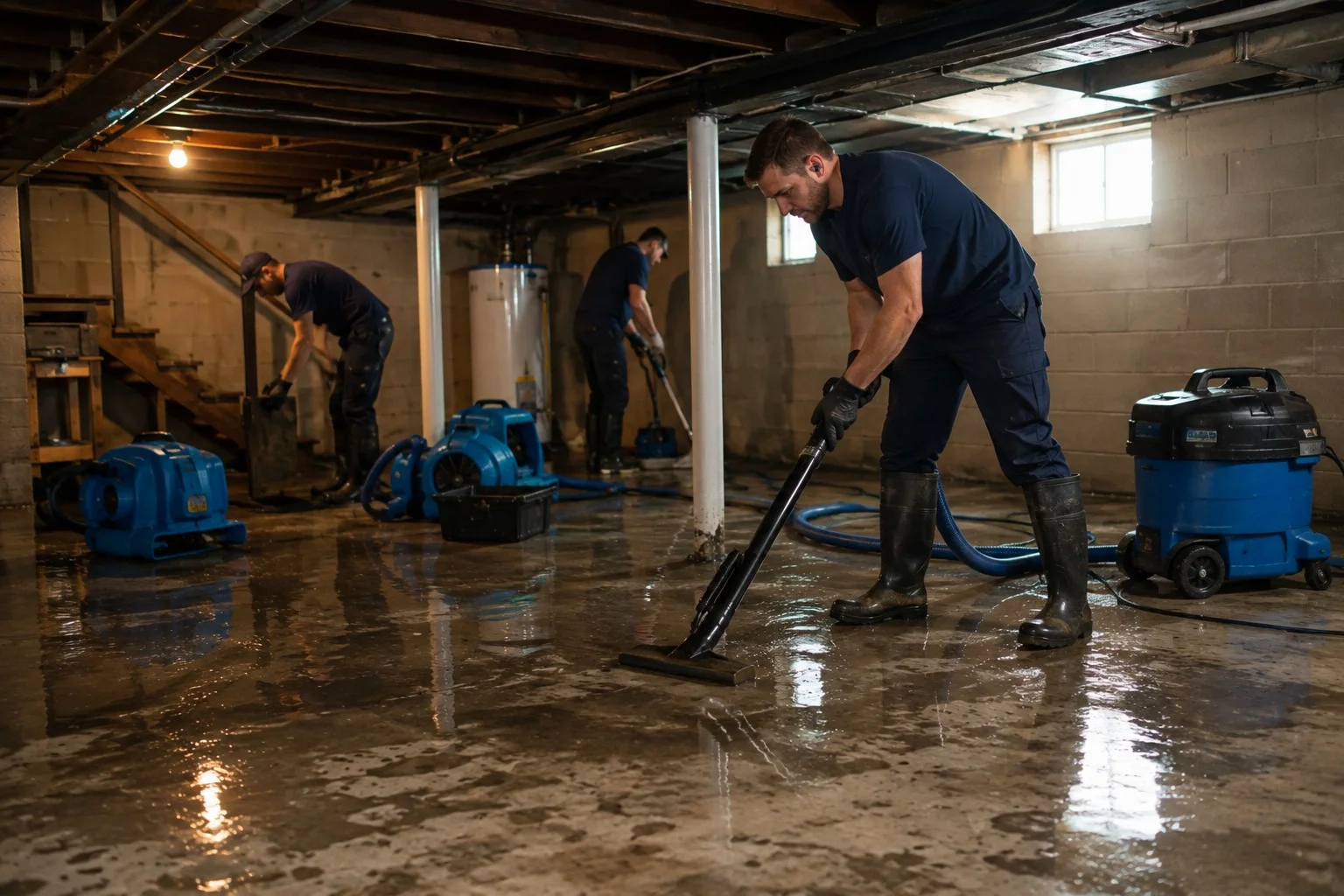
- Call us at (207) 857-7378. We deploy extraction equipment and begin removing water immediately.
- Do not try to dry a flooded basement with household fans. Surface drying does not address moisture in walls, insulation, or concrete. You need commercial drying equipment.
- Document the damage with photos for your insurance claim.
Insurance Considerations for Spring Thaw Flooding
This is critical. Standard homeowners insurance in Maine does NOT cover basement flooding from groundwater, rising water tables, or surface water entering through foundations. This is classified as flooding, not a sudden and accidental water event.
You need a separate flood insurance policy through the NFIP for coverage. NFIP policies have a 30-day waiting period, so you cannot purchase one after flooding begins.
If your sump pump failure is the primary cause (the pump broke and water came in through the drain tile system), some policies cover this if you have a sewer and water backup rider. Check your specific policy.
Long-Term Solutions
If your basement floods every spring, temporary measures are not enough. Consider:
- Interior drainage system (French drain) installed along the perimeter of your basement floor, directing water to a sump pit
- Exterior waterproofing with drainage board and membrane applied to the outside of your foundation walls
- Foundation crack injection for poured concrete walls with persistent crack leaks
- Crawl space encapsulation for homes with crawl spaces instead of basements
- Upgrading your sump pump to a higher-capacity model with battery backup
These are investments, but they protect your home and your belongings year after year. A single major flood restoration can cost more than most of these long-term solutions.
Basement flooding now or preparing for spring thaw? Call (207) 857-7378.
Frequently Asked Questions
When does spring thaw flooding typically happen in Penobscot County?
Peak flooding risk is typically late March through late April, when accumulated snowmelt is highest and ground is still partially frozen. The exact timing varies by year depending on winter snowfall and spring temperatures.
Can I prevent all spring thaw flooding?
You can significantly reduce the risk with proper sump pump maintenance, foundation sealing, grading improvements, and drainage systems. Some older homes with fieldstone foundations in low-lying areas near the Penobscot River may always have some risk during extreme thaw events.
My sump pump runs constantly during spring. Is that normal?
In Greenbush and along the Penobscot corridor, yes. During peak thaw, sump pumps in homes with high water tables may run every few minutes for weeks. Make sure your pump is sized for this duty and consider a backup system.