How Much Does Water Damage Restoration Cost in Greenbush, ME?
Water damage restoration costs in Greenbush typically range from $1,500 for a small contained leak to $15,000 or more for major flooding with reconstruction. The actual cost depends on the size of the affected area, the type of water, and how much material needs to be replaced. Here is an honest breakdown of what drives the price and what you can expect to pay for different scenarios.
Cost Ranges by Scenario
These are realistic ranges based on residential water damage situations typical for Greenbush and Penobscot County in 2026.
Small Contained Leak
$1,500 to $3,500
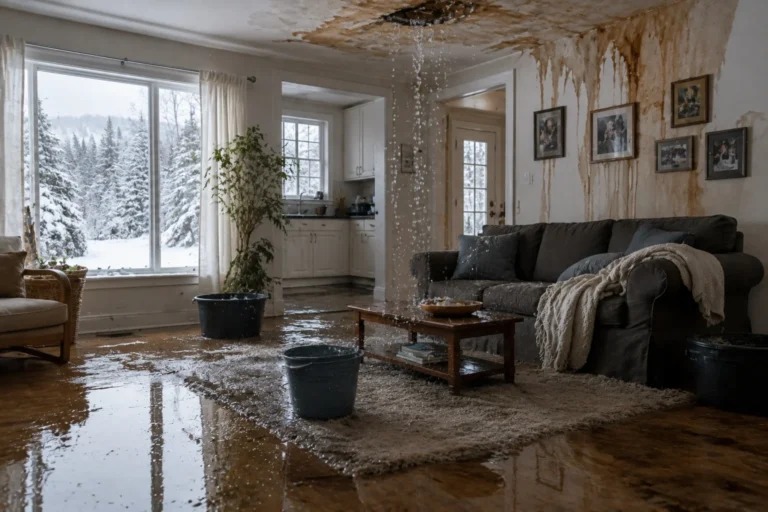
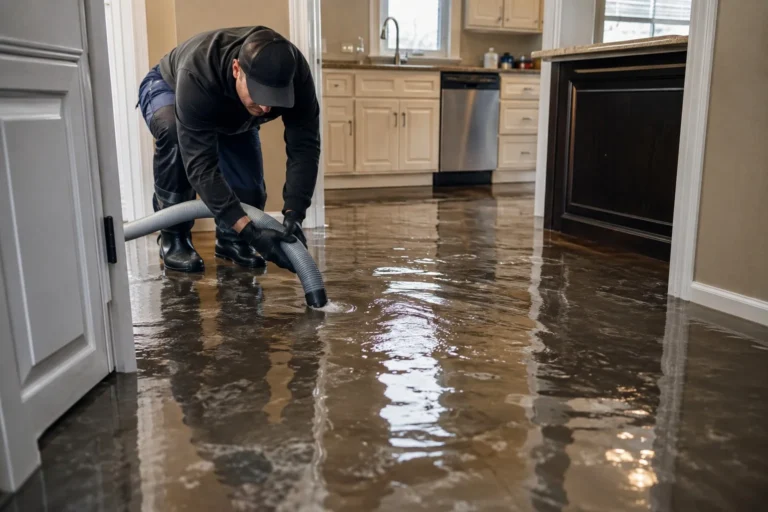
A kitchen supply line burst caught within an hour. Water affected one room, soaked some flooring and the lower portion of adjacent drywall. Requires extraction, limited demolition (flood cut on one or two walls), 3 to 4 days of drying, antimicrobial treatment, and drywall/paint repair.
Moderate Water Damage
$3,500 to $7,500
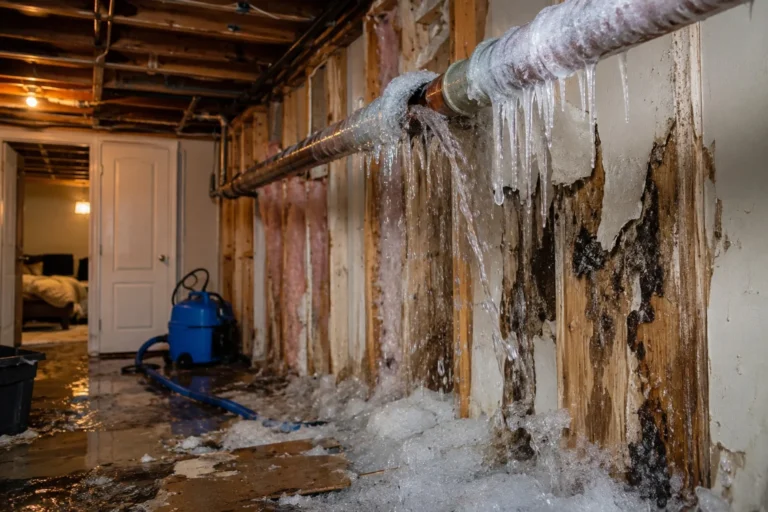
A burst pipe that ran for several hours or overnight. Water spread to multiple rooms. Significant drywall removal, insulation replacement, carpet and padding removal. Full structural drying with multiple dehumidifiers and air movers running for 4 to 5 days. Antimicrobial treatment. Reconstruction of all removed materials.
Major Flooding
$7,500 to $15,000+
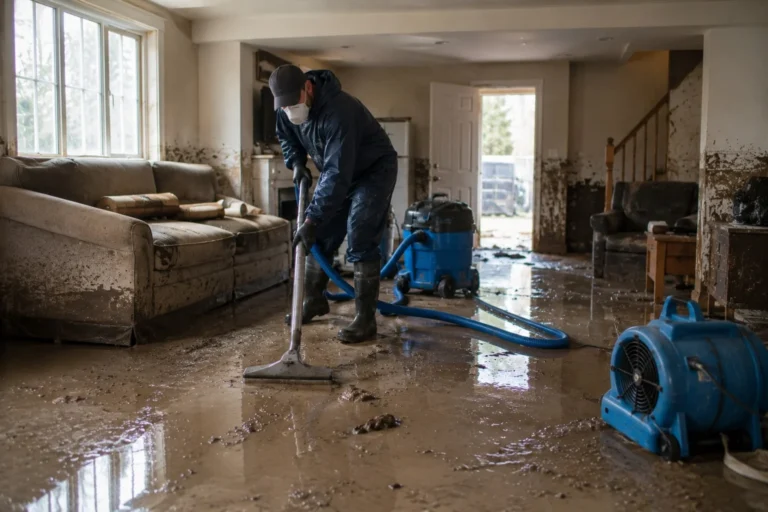
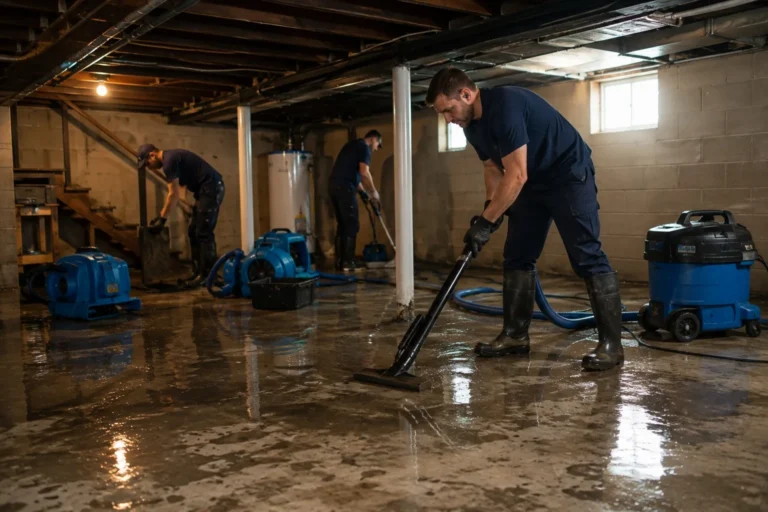
A flooded basement from spring thaw, a pipe that ran while you were away for the weekend, or storm-related flooding affecting multiple areas of the home. Extensive demolition, multiple days of high-volume extraction, extended drying (5 to 7+ days), potential mold remediation, and significant reconstruction.
Sewage Backup
$3,000 to $12,000
Sewage events cost more than clean water events because contaminated water requires more extensive material removal (higher flood cuts), full sanitization protocols, PPE for crews, and verified decontamination. Finished basements with sewage backup are at the higher end.
Mold Remediation
$1,500 to $8,000
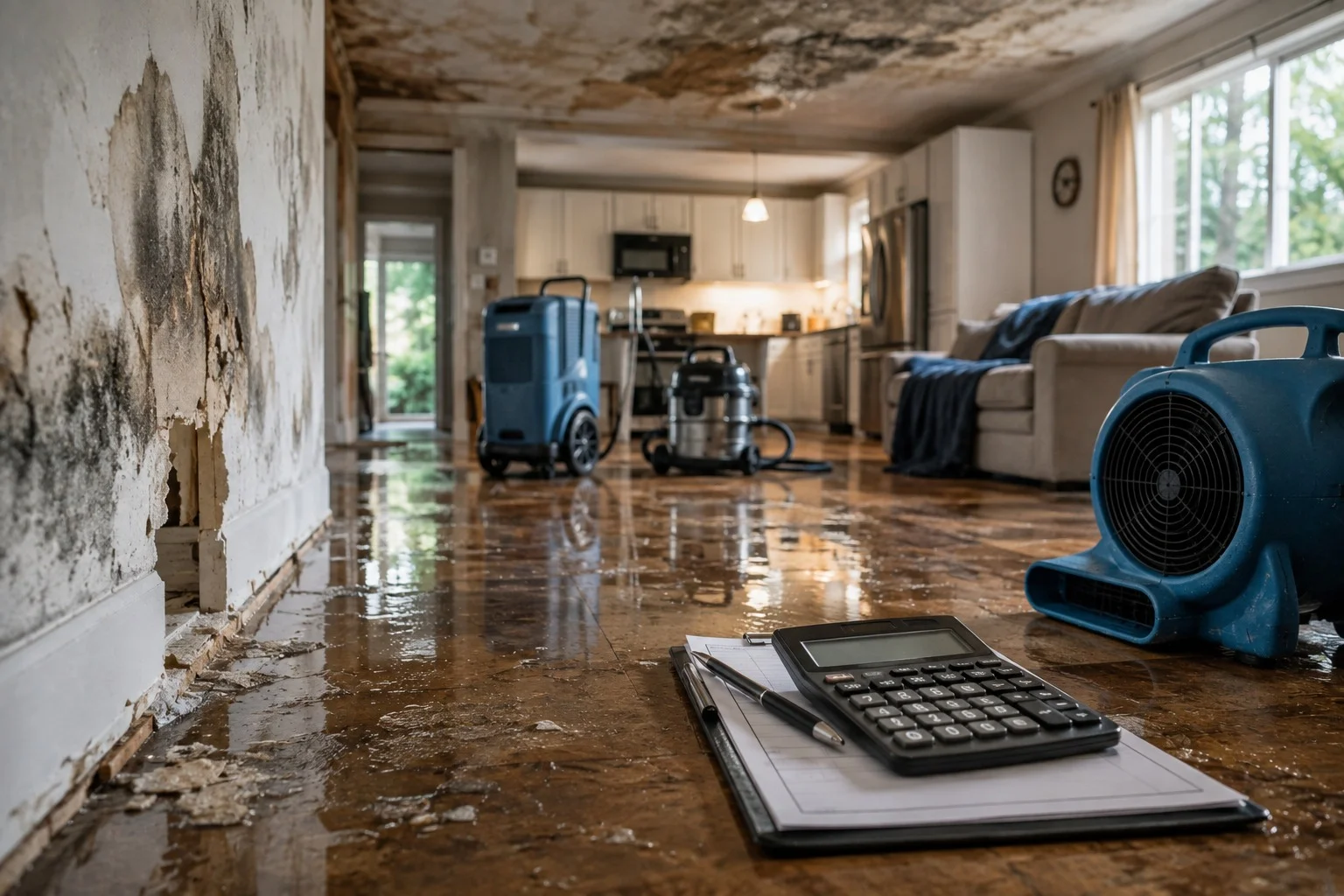
If mold is found during water damage restoration, remediation costs are in addition to the water damage work. A small area of mold on exposed surfaces costs less than extensive mold behind walls or across attic sheathing. Post-remediation clearance testing adds to the cost but verifies the work was done correctly.
What Drives the Cost Up or Down
Factors That Increase Cost
- More area affected. Water that spread to three rooms costs more than water contained to one.
- Contaminated water. Category 3 water (sewage, floodwater) requires more extensive material removal and sanitization than clean water from a pipe.
- Finished spaces. A finished basement with drywall, carpet, and built-in cabinets costs more to restore than an unfinished basement with concrete walls and a bare slab.
- Delayed response. The longer water sits, the further it travels and the more material it damages. A pipe burst caught in the first hour costs less to restore than one that ran overnight.
- Mold presence. If mold has started growing (which can happen within 24 to 48 hours on wet materials), remediation adds a separate cost.
- Reconstruction scope. More material removed means more material to replace. Hardwood flooring costs more to replace than laminate. Custom cabinets cost more than stock.
Factors That Reduce Cost
- Fast response. The sooner extraction begins, the less water soaks into building materials.
- Clean water source. Category 1 water from a broken supply line requires less material removal and no sanitization.
- Unfinished spaces. Unfinished basements with concrete walls and no flooring are simpler and less expensive to dry and restore.
- Salvageable materials. Hardwood floors that can be dried and refinished rather than replaced. Drywall that only needs flood cutting at 12 inches rather than full removal.
- No mold. When professional drying prevents mold growth, you avoid the cost of separate remediation.
Will Insurance Cover the Cost?
Most homeowners insurance policies in Maine cover sudden and accidental water damage. This includes:
- Burst pipes (including frozen pipes)
- Appliance failures (water heaters, washing machines, dishwashers)
- Roof leaks from weather events
- Accidental overflow (bathtub, toilet)
What is typically NOT covered:
- Flooding from groundwater, rising rivers, or surface water (requires NFIP flood insurance)
- Sewer backup (requires a supplemental policy rider)
- Gradual leaks you knew about and did not repair
- Damage from deferred maintenance
Your out-of-pocket cost for a covered event is typically your deductible (commonly $500 to $2,500 depending on your policy). We prepare all documentation using Xactimate, the software insurance adjusters use, and work directly with your adjuster to process the claim.
Read our full guide on water damage insurance in Maine
How We Handle Pricing
We do not give vague estimates and then surprise you with a higher bill at the end.
Here is how it works:
- Emergency stabilization begins immediately. For active water emergencies, we start extraction right away. Your home should not wait for paperwork.
- Written scope of work. After the initial assessment, we provide a detailed written scope that outlines exactly what work needs to be done, what materials will be removed and replaced, and the associated costs.
- Your approval before proceeding. We do not start non-emergency work without your authorization. You see the numbers before we proceed.
- Xactimate documentation. Our estimates are prepared using the same software your insurance company uses. This reduces disputes and speeds up the claims process.
- Daily updates during the project. If the scope changes (which can happen when hidden damage is discovered during demolition), we communicate the change and get your approval before expanding the work.
Is Water Damage Restoration Worth the Cost?
This is a fair question, especially for budget-conscious homeowners in Greenbush where the median household income is around $60,000.
Consider the alternative. If you skip professional restoration and try to dry a flooded basement with household fans:
- Hidden moisture stays trapped in wall cavities and under subfloors
- Mold begins growing within 24 to 48 hours on wet organic materials
- Three months later, you discover mold behind your drywall that now covers 50 square feet
- The mold remediation alone costs $3,000 to $5,000
- Plus the drywall, insulation, and flooring you now need to replace anyway
- Plus the health effects your family experienced from living with hidden mold
The cost of doing it right the first time is almost always less than the cost of doing it wrong and fixing the consequences later.
Questions about cost? Call (207) 857-7378. We will give you an honest assessment and a clear estimate before any non-emergency work begins.
Frequently Asked Questions
Can you give me an exact cost over the phone?
We can give you a general range based on what you describe. An exact cost requires an on-site assessment with moisture meters and thermal imaging, because water often travels further than what is visible. The assessment itself is part of our standard response, not a separate charge.
Do I have to pay upfront?
For insurance-covered work, we typically work with your insurance company on payment. Your portion is usually your policy deductible. For non-insured work, we discuss payment terms before work begins.
What if the cost is higher than I expected?
We provide a written scope before non-emergency work begins. If the scope changes during the project (for example, hidden mold is discovered behind a wall during demolition), we communicate the change, explain why, and get your approval before expanding the work.
Is it cheaper to just do it myself?
For a small surface spill mopped up within an hour, DIY is fine. For anything that has reached wall cavities, subfloors, or insulation, DIY cleanup typically costs more in the long run because hidden moisture leads to mold, which requires professional remediation that costs more than the original drying would have.